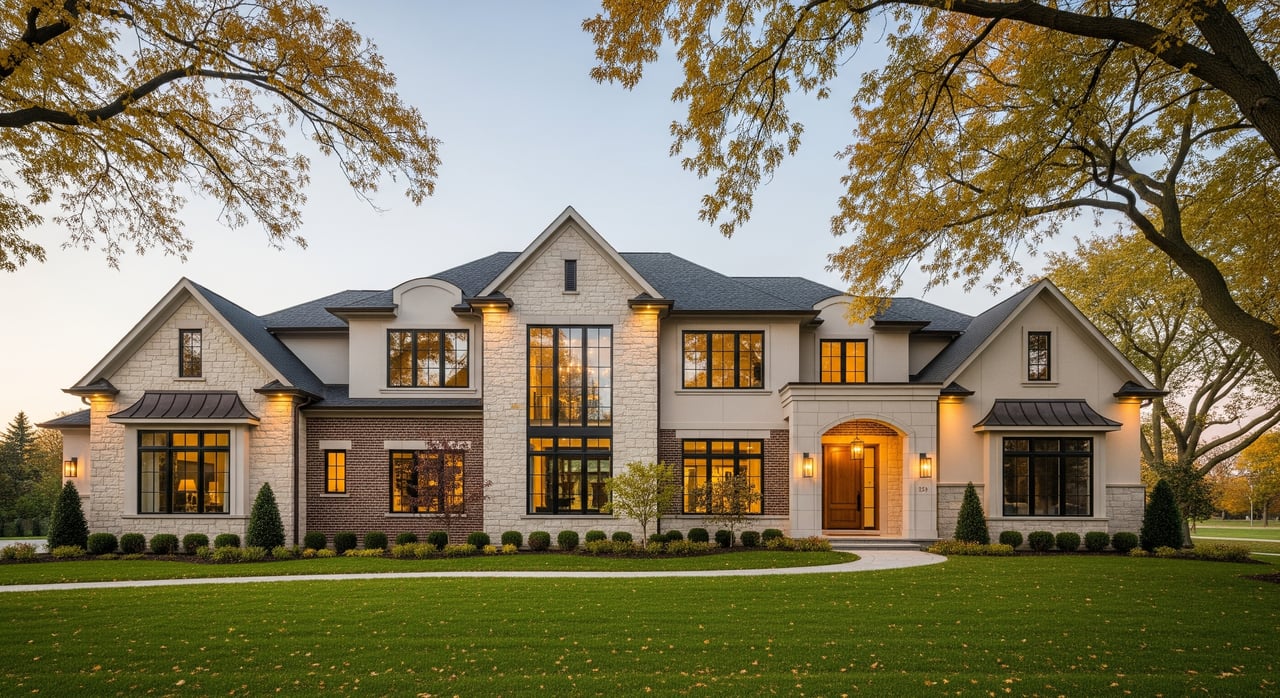
Curious what a split-level really is, and why you see so many around Arlington Heights? If you are comparing home styles or preparing to sell, understanding how split-level, tri-level, and raised ranch layouts work can save you time and money. This guide breaks down the differences, the pros and cons, inspection and renovation notes, and how to present these homes so buyers see their full value. Let’s dive in.
What is a split-level?
A split-level is a multi-level home where short sets of stairs connect staggered floors. You usually enter at a mid-level, then go up a few steps to the main living area or down a few steps to a lower level. The layout separates living, sleeping, and recreation zones without a full-height staircase between each level. Many Arlington Heights homes from the mid-20th century use this design.
How splits are organized
- Two-level split, often called split-entry or split-foyer: The entry is at a landing with short stairs up to living spaces and short stairs down to a lower level or garage.
- Three-level split, often called classic split-level or tri-level: The main level with living, dining, and kitchen sits between an upper bedroom level and a lower family or utility level.
- Raised ranch, sometimes called split-entry ranch: Two primary levels where the garage or utility spaces are partially below grade and living spaces are above, with short stairs up or down from a mid-point entry.
Tri-level vs raised ranch
Tri-level basics
A tri-level has three distinct floors separated by short stairs. The main level is typically kitchen and living areas, the upper is bedrooms and baths, and the lower is a family room or flex space. The feel is efficient and zoned, with circulation centered on short stair runs.
Raised ranch basics
A raised ranch looks more like a rectangular ranch from the street. You enter to a landing, then go up to the main living floor or down to the lower level with garage and utilities, sometimes with finished living space. The rooflines and footprint tend to read as a ranch, just elevated.
Quick ways to tell
- Entry: If the front door opens to a landing with stairs up and down, think split-entry or raised ranch.
- Footprint: A boxier, ranch-like profile often signals a raised ranch. Multiple staggered levels point to a tri-level split.
- Level count: Three active floors separated by short stairs usually indicates a tri-level.
Why Arlington Heights has many
Post–World War II suburban growth from the 1950s through the 1970s brought a wave of ranch, raised ranch, and split-level homes across the Chicago suburbs, including Arlington Heights. Builders favored these layouts for efficient lots and for creating separate zones without deep basements on sloped sites. The style still fits today’s needs when you want extra living space and defined areas for work or play.
Pros and cons
What buyers like
- Natural separation of spaces. Bedrooms upstairs feel private while the lower level can serve as a family room, office, gym, or guest space.
- Efficient footprint. You can get strong square footage without a sprawling exterior to maintain.
- Flexible lower level. Many homes feature daylight windows that make the space feel useful and bright.
- Works with sloped lots. Daylight lower levels and egress options are easier to achieve on certain sites.
Common trade-offs
- Multiple short stairways. Households with mobility concerns may prefer fewer stairs.
- Compartmentalized feel. Traditional walls can limit open-plan sightlines that some buyers want.
- Lower-level light and moisture. Without proper waterproofing and drainage, lower levels can feel darker and risk dampness.
- Mid-century systems. Older electrical, HVAC, windows, and insulation may need updates. Opening walls can be more complex due to load paths in staggered floors.
What to inspect
Moisture and foundation
Look for signs of past water intrusion, including efflorescence, staining, musty odors, or sump pump systems. Pay attention to window wells and grading. If the lower level was finished long ago, confirm that waterproofing and drainage keep up with today’s expectations.
Egress and safety
If the lower level includes a sleeping area, confirm that windows or doors meet egress requirements. Adding egress windows may require new window wells with steps or ladders. Check stair railings and guards for secure installation and heights that meet current code.
Systems and materials
Homes built before the 1970s may need electrical updates, including panel capacity and wiring type. HVAC systems can be older or single-zone, which may lead to temperature differences between levels. For pre-1978 homes, be aware of potential lead-based paint and possible asbestos-containing materials. Consult EPA and CDC guidance and licensed professionals for testing and abatement where applicable.
Energy and comfort
Older split-levels often benefit from air sealing, insulation at rim joists and attics, and window upgrades. Zoning or updating HVAC can help maintain even comfort across levels.
Smart storage and updates
Storage that fits
- Under-stair niches. Turn voids below short stair runs into closets, cubbies, or a pantry.
- Built-ins on short walls. Low-profile shelving and credenzas add storage without closing sightlines.
- Garage and attic. Overhead garage racks and basic attic flooring can add seasonal storage.
- Lower-level closets. Use hallway or family room walls for reach-in storage.
Popular renovations
- Open the main level. Many owners remove partial walls between kitchen and living areas. Because many walls can be load-bearing in staggered layouts, consult a structural engineer before starting.
- Add a bath. Lower levels may need new plumbing runs and sometimes a sewage ejector if below grade. Placing new baths near existing lines can reduce costs.
- Create an in-law or flexible suite. With a private entrance, proper egress, and code compliance, lower levels can serve as guest or long-term stay spaces. Confirm zoning and any rental rules before planning a separate unit.
- Waterproof and egress upgrades. If you plan to sleep or work in the lower level, invest in drainage, window wells, and appropriate egress to improve function and safety.
Cost, permits, and timeline
Structural changes, HVAC and plumbing rework, and waterproofing are major cost drivers. Obtain multiple bids from licensed local contractors familiar with Chicago-suburban split-levels. The Village of Arlington Heights requires permits for most structural, mechanical, and electrical work, so build in time for approvals.
Selling a split-level
Staging that works
- Keep furnishings low-profile to preserve sightlines across shorter rooms.
- Use a consistent, light paint palette across the main level and landings to avoid a chopped-up look.
- Stage the lower level with a clear purpose, such as a media room, office, or play area, so buyers see functional square footage.
- Keep stairs and landings clear with good lighting. Clean and polish railings.
Photography tips
- Time photos for the brightest part of the day and draw back blinds to emphasize natural light, including in the lower level.
- Use a few wide angles that show how short stair runs connect the levels. One shot from the main landing that shows both the upper and lower stairs helps buyers understand the flow.
- Include separate images of the upper bedroom level, the main living area, and the lower family room to help buyers mentally map the house.
- Capture the exterior in a way that shows how the home sits on the lot, especially if the lower level has daylight windows.
Disclosures and prep
Disclose any known water intrusion history, sump pumps, flood repairs, or radon mitigation. Gather permit records and contractor warranties for prior work, which builds buyer confidence. If lead paint or asbestos is present, consult qualified pros on required disclosures and documentation.
Arlington Heights resale
Positioning and pricing
Many buyers today like open sightlines, but plenty also value the clear zones and extra finished space that split-levels offer. In Arlington Heights, updated split-levels near transit, schools, and downtown amenities can be very marketable. When pricing, compare against similarly configured homes and account for finished lower-level square footage, system updates, roof and window condition, and any structural or waterproofing improvements.
Renovate or sell as-is
Cosmetic refreshes like paint, lighting, and flooring often deliver strong returns relative to cost. Large structural reconfigurations may not always produce proportional resale gains in some mid-century neighborhoods. If a full remodel is not in the cards, stage the lower level as a high-value living area to show its utility.
Quick checklists
Buyer checklist
- Verify year built and ask for renovation and permit history.
- Inspect the lower level for moisture signs, sump usage, and egress compliance for any bedrooms.
- Evaluate the electrical panel and wiring, including amp capacity.
- Check HVAC age, zones, and comfort across levels.
- Consider accessibility and the number of stairs for your household.
- Ask about insulation and window upgrades for energy efficiency.
Seller checklist
- Address any visible moisture concerns and gather documentation for remediation or waterproofing.
- Declutter and stage the lower level with a clear purpose.
- Improve lighting on landings and confirm handrails and guards feel secure.
- Collect permits and warranties for past work to share with buyers.
- Photograph the circulation between levels and feature storage solutions.
Whether you are evaluating a purchase or preparing to list, understanding how split-level, tri-level, and raised ranch homes function will help you make confident decisions. If you want tailored insight on layouts, pricing, staging, or what updates pay off in Arlington Heights, connect with Bree DiMucci for local guidance and premium marketing support.
FAQs
How does lower-level square footage count in comps?
- It depends on local MLS rules and whether the space meets finished standards and egress requirements, so confirm your home’s specifics with your listing agent or appraiser.
Is adding a legal bedroom in a lower level difficult?
- You typically need a code-compliant egress window or door and may need permits and contractor work, so plan for design, approvals, and construction time.
Are split-level homes more prone to moisture issues?
- Not inherently, but partial basements and window wells require good drainage and waterproofing, so include moisture checks in your inspection.
Do buyers usually pay less for split-levels than two-stories?
- Not necessarily, since condition, location, and usable layout drive value; updated split-levels in desirable Arlington Heights areas can sell well.
What permits are needed for Arlington Heights renovations?
- The Village of Arlington Heights requires permits for most structural, mechanical, electrical, and significant finish work, so confirm requirements before starting any project.